

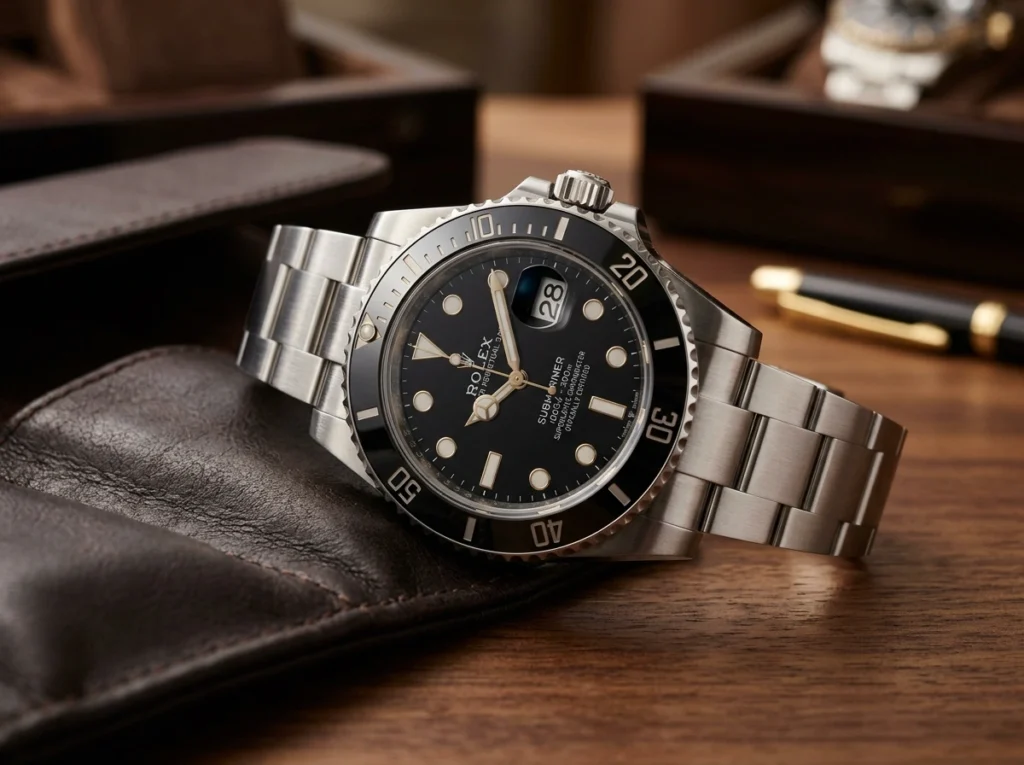

A watch used to be a quiet thing. You wore it, you read the time, and only a small circle of enthusiasts noticed the dial. That world has changed. Today, a watch is a statement, a social signal, and sometimes a viral video. Nowhere is this shift clearer than in the rise of the super clone Rolex phenomenon.
These ultra-detailed replicas have moved from shadowy forums into open conversation. People debate them, study them, and dissect their movements frame by frame. What does this trend actually reveal? In this piece, we’ll look at three things: how status now works, how authenticity is being redefined, and what it all means for collectors and the broader industry.
The New Language of Status
For most of the twentieth century, luxury watches communicated wealth in a fairly simple way. If you wore a Submariner, people assumed you could afford one. The signal was the object itself.
That logic has loosened. Social media flattened the visual distance between the genuine article and its imitators. A photo on a feed rarely reveals the difference between a five-figure timepiece and a careful copy. As a result, the appearance of status often travels faster than the reality behind it.
This creates an interesting tension. The watch still signals taste and aspiration. But the signal now depends more on the image than on ownership. People are buying into a look, a vibe, and a story as much as a mechanism. The trend tells us that status itself has become more performative and more visual.
Quick takeaway: Status signaling now happens at the level of the image, not just the object.
Accessibility Meets Aspiration
Genuine luxury watches sit far beyond most budgets. Waitlists stretch for years on popular models, and secondary market prices can climb higher than retail. For many enthusiasts, the dream feels permanently out of reach.
The super clone market exists in that gap between desire and access. It offers the silhouette of aspiration without the price barrier. That doesn’t make it harmless or simple, but it does explain its appeal.
Communities have grown around studying these pieces with surprising rigor. Sites like super clone rolex reflect how detailed and technical the conversation has become, with discussions of movements, weight, and finishing. People treat the subject like a hobby, not a hush-hush transaction.
What this reveals is a culture caught between two pulls. We crave the heritage and craftsmanship of fine watchmaking. Yet we also live in a world that prizes immediate access and affordability above patience.
How Authenticity Is Being Redefined
Authenticity used to be binary. A watch was real or it wasn’t. The trend complicates that neat divide.
Consider how people now talk about these watches. They compare the accuracy of a bezel font, the smoothness of a sweep, and the weight of a bracelet. The conversation focuses on fidelity to the original rather than the original itself. Authenticity becomes a spectrum measured in details.
This mirrors a wider cultural shift. We live among streaming covers, sampled music, and remixed everything. The line between original and reproduction blurs across many fields. Watches are simply one more arena where that question plays out on the wrist.
What This Means for Perception
For some buyers, the genuine provenance matters above all else. The serial number, the boutique experience, and the brand relationship form part of the value.
For others, the emotional experience of wearing a familiar design is enough. They aren’t trying to deceive anyone; they’re chasing a feeling. The trend exposes how personal and slippery the idea of “real” has become.
The Social Media Engine
None of this would spread without social platforms. Short videos, close-up macro shots, and influencer wrist checks fuel constant exposure. The algorithm rewards desire, and watches photograph beautifully.
This visual economy changes how people relate to objects. A watch becomes content first and a timepiece second. The pressure to display something impressive grows, while the patience to save for the genuine article shrinks.
Social media also democratized expertise. Anyone can learn movement terminology, compare references, and study craftsmanship online. That knowledge cuts both ways. It deepens appreciation for real watchmaking, and it sharpens awareness of how copies are made.
Quick takeaway: Platforms turned watches into shareable content, accelerating both appreciation and imitation.
Collector Psychology and the Hunt
Collecting has always involved emotion more than logic. Scarcity, history, and the thrill of the chase drive much of the passion. The super clone trend interacts with these instincts in revealing ways.
Some genuine collectors feel threatened by the blurring of lines. They worry that ubiquity dilutes the meaning of the pieces they treasure. If everyone appears to own the icon, does owning the real one still feel special?
Others see the trend as proof of a design’s cultural power. A watch only gets copied at scale when it has become a true symbol. In that sense, imitation reflects the enduring magnetism of certain designs.
If you collect seriously, the practical response is clarity about why you collect. Decide whether you value provenance, mechanical artistry, or personal meaning. That clarity protects you from chasing approval that lives only on a screen.
Heritage Versus Hype
At its core, this trend exposes a struggle between heritage and hype. Heritage represents decades of engineering, family history, and slow refinement. Hype represents speed, virality, and the urge to belong right now.
Both forces are real, and both shape modern watch culture. The traditional industry leans on legacy, scarcity, and storytelling. The hype cycle leans on visibility, accessibility, and the desire to participate immediately.
The healthiest perspective holds these in balance. You can admire the craftsmanship behind iconic designs while staying honest about why a copy appeals to so many people. Recognizing both sides leads to a richer understanding than dismissing either one.
Common Mistakes in Reading the Trend
- Treating it as purely about money. Status and identity matter just as much as cost.
- Ignoring the role of platforms. Social media is the engine, not a side note.
- Assuming buyers want to deceive. Many simply chase a look or a feeling.
- Dismissing genuine craftsmanship. The trend actually highlights why the originals earned their reputation.
What the Trend Teaches the Industry
Brands can learn something here. The hunger driving this market points to unmet desire. People want connection to these designs, but feel locked out by price and scarcity.
Smart brands respond by deepening their storytelling, improving access, and strengthening community. They lean into the experiences that no copy can reproduce: service, history, and belonging. The lesson is that meaning, not just material, sustains long-term loyalty.
Quick takeaway: Demand for copies signals desire the industry can address through access and storytelling.
Conclusion: A Mirror, Not Just a Market
The super clone Rolex trend is less a niche curiosity than a mirror of modern values. It reflects how we signal status through images, how we redefine authenticity, and how social media shapes desire. It reveals a culture pulled between heritage and hype, patience and instant access.
The clearest next step is to examine your own motivations. Ask what you truly want from a watch, whether that’s craftsmanship, history, or simple personal joy. Understanding that answer matters more than any logo on the dial, because it grounds your choices in meaning rather than performance.